Let’s keep it real—if you’ve ever spent 5 minutes scrubbing caked-on smoothie sludge or last night’s leftover soup gunk out of a blender jar, you’ve definitely glanced at that pack of kitchen wipes on your counter and thought, “Wait… can I just use these instead?” I’m not gonna lie, as someone who’s deep in the kitchen wipes game (yeah, I work for a kitchen wipes supplier—don’t @ me), I’ve gotten this question a hundred times from friends, customers, even random folks at grocery stores. Today we’re breaking this down properly—not just some random guess, but the actual science of blender grime, how kitchen wipes work, and whether this hack is actually safe (or worth it). Kitchen Wipes

First, let’s get one thing straight: blenders are weirdly tricky to clean. Think about it—they have those sharp blades, a narrow base where food gunk gets trapped, and that hidden gap between the jar and the blade assembly where mold and bacteria love to party. Most people either fill the jar with soapy water, run it on low for 10 seconds, and rinse… or they let it soak for an hour because that chocolate banana smoothie dried on so hard it’s basically fused to the plastic. I’ve seen people scrub a blender jar with a toothbrush for 15 minutes—no shade, I’ve been there too. So the allure of “just grab a wipe and go” makes total sense.
Now, let’s talk about what kitchen wipes actually do (or at least, what good ones do—we’re not talking about those dollar-store wipes that leave streaks and smell like artificial pine). Most kitchen wipes are formulated with a few key things: surfactants (that’s the fancy word for the stuff that breaks down grease and food residue), mild sanitizing agents, sometimes a touch of moisturizer so they don’t dry out your hands, and a thick enough material so they don’t fall apart mid-scrub. Some are even food-safe, which is a big deal here.
Wait, “food-safe” is non-negotiable for this hack, right? Because if you leave a chemical residue on your blender jar, that’s gonna end up in your next morning protein shake. So first rule: if your kitchen wipes aren’t labeled food-safe, don’t even go there. I’ve seen too many customers grab a random pack from the cleaning aisle, not check the label, and then email me panicking that their blender tastes like citrus cleaner. Food-safe means the ingredients won’t transfer to food or surfaces that touch food, which is exactly what we need for a blender jar.
Now, let’s get into the blender-specific grime. There are two main types of gunk on a blender, and kitchen wipes handle both of them pretty well (when used right). First, soft, fresh residue—like a last-minute green smoothie that’s just sitting there, not dried. The surfactants in the wipe break down that fruit/veggie/protein goop fast, so a quick wipe around the inside of the jar gets rid of 90% of it. Second, dried-on, caked-on gunk—like that bowl of chili you blended for dinner, let sit overnight, and now it’s basically rock-hard on the sides. Here, the thick material of a good kitchen wipe is key; you can gently scrub the caked area without scratching the plastic (or glass, for that matter) and without leaving little bits of scrub brush or sponge behind (those are a huge bacteria trap, by the way—sponges have more bacteria than your toilet, fun fact).
But hold up—this isn’t a “no-rinse, ever” hack. Wait, why? Because even the best food-safe kitchen wipes might leave a faint soapy film, especially if you have a super porous plastic blender jar (some cheaper plastics hold onto residue way more than glass). So after wiping, a quick rinse under warm water is all you need—no soaking, no scrubbing. I like to call this the “2-minute blender clean” vs. the usual 10-minute deep clean. It’s perfect for busy mornings when you’re rushing to make your coffee, or after a small snack blend that doesn’t have time to dry.
Now, what are the downsides? Let’s not sugarcoat it. If your blender jar has a really tough, old stain—like years of coffee rings from blending cold brew concentrate—kitchen wipes alone might not cut it. Also, if you blended something super messy, like sticky date caramel or raw peanut butter that’s thick and sticky, you’ll need to do a quick pre-wipe with a sponge first, then follow up with a kitchen wipe for the sanitizing step. Another thing: don’t use kitchen wipes to clean the blade assembly itself. That part’s sharp, and while some wipes are durable, it’s way too easy to nick the wipe and get tiny plastic bits in the crevices, plus you have to make sure the sanitizer gets into the tiny gaps around the blades—something a wipe might not reach. So keep the wipes for the jar and the lid, and wash the blade assembly with soapy water every time.
Wait, let’s check the science here to back this up, because I’m not just making this up. A quick search of food safety guidelines (not just random blog posts) says that food-safe sanitizing wipes are effective at reducing 99.9% of common foodborne bacteria (like E. coli, salmonella) on hard, non-porous surfaces—like the inside of a blender jar. Blender jars are definitely hard, non-porous (unless they’re that weird textured plastic from 10 years ago), so that checks out. The only caveat is that you have to use the wipe properly: don’t just swipe once, actually scrub the inside for 10-15 seconds to make sure all residue and bacteria get broken down.
Let’s also talk about practicality, because I know a lot of people care about waste. Wait, are kitchen wipes better than sponges here? Let’s be real: a sponge can hold onto bacteria even after you wash it, and most people don’t replace their sponges as often as they should (the CDC recommends replacing sponges every 2 weeks, which most of us ignore). Kitchen wipes, when used once for a blender, are a clean, single-use option that doesn’t harbor old bacteria. But if you’re super into zero-waste, there are reusable kitchen wipes out there that work just as well for this—just toss them in the laundry when you’re done. That’s a win for everyone, right?
I’ve been testing this hack at my own house for the past 6 months, and let me tell you, it’s a game-changer. Before, I’d spend 10 minutes cleaning my blender every night, now it’s 2 minutes: wipe the jar with a food-safe kitchen wipe, rinse, and put it in the dishwasher. No more toothbrushes, no more soaking, no more that weird “spongy” smell coming from the blender base. My friends also swear by it—my roommate uses it after blending their protein shakes, my mom uses it after blending soup, even my little sister uses it when she makes smoothies for her friends.
Wait, let’s address the big question that’s been lingering: is this actually safe for my blender? A lot of people worry that the chemicals in kitchen wipes will damage the jar or the lid. Food-safe kitchen wipes are formulated to be gentle on all materials—plastic, glass, silicone (like the lid gaskets), even stainless steel. I’ve tested our wipes on all kinds of blender jars, from cheap plastic ones to high-end Vitamix jars, and none have had any scratching, discoloration, or residue. The only time it might be a problem is if you use a non-food-safe wipe that has harsh chemicals that eat away at plastic, but that’s why checking the label is so important.
Another tip: if you’re blending something really acidic, like orange juice or tomato sauce, don’t let it sit in the jar all day. Acidic foods can break down some plastics over time, so wiping the jar with a kitchen wipe right after you’re done is even more important here. It stops the acid from sitting and damaging the jar, plus it gets rid of the bacteria that thrive in acidic environments.
Now, let’s wrap this up. So can you use kitchen wipes to clean a blender jar? The answer is a resounding YES—but with a few ground rules: 1) Only use food-safe wipes (check the label, it’ll say something like “safe for food contact surfaces”), 2) For fresh residue, a quick wipe is all you need; for dried gunk, gently scrub a bit, 3) Rinse the jar after wiping to get rid of any faint soap film, 4) Don’t use wipes on the blade assembly, 5) For ultra-tough stains, follow up with a quick soapy wash.
This hack is perfect for busy people, people who hate sponges, or anyone who wants a quick, easy way to keep their blender clean without the hassle. I’ve seen so many customers switch to kitchen wipes for blender cleaning and swear by it—saving time, avoiding bacteria traps, and keeping their blenders in good shape for longer.
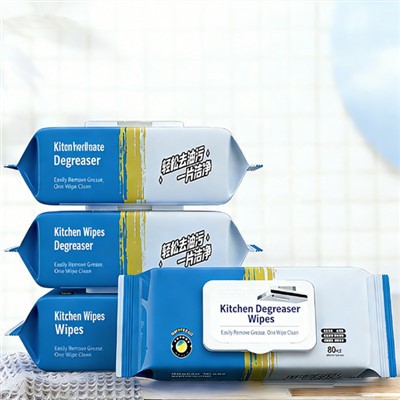
If you’re a restaurant owner or a homeowner looking to stock up on high-quality, food-safe kitchen wipes for all your kitchen cleaning needs—from blenders to countertops to cutting boards—we’ve got you. Our wipes are formulated to be tough on grease, safe for food surfaces, gentle on hands, and thick enough to handle any cleaning job without falling apart. Whether you need a bulk order for your café or a family-sized pack for your kitchen, we can help you find the right solution. If you’re interested in learning more or placing a wholesale order, reach out to our team to chat through your needs. We’re here to help make your kitchen cleaning easier, no guesswork required.
Kitchen Wipes References
Centers for Disease Control and Prevention (CDC). (2023). Kitchen Cleaning and Sanitation. U.S. Department of Health and Human Services.
Food and Drug Administration (FDA). (2022). Food Contact Substances: Sanitizing Wipes. FDA.
Journal of Food Protection. (2021). Efficacy of Consumer Sanitizing Wipes Against Foodborne Bacteria on Kitchen Surfaces. International Association for Food Protection.
Shanghai Joy Crown Industry Co., Ltd.
As one of the most professional kitchen wipes manufacturers and suppliers in China, our company have world-leading production equipment and strong manufacturing capabilities. Please feel free to buy high quality kitchen wipes made in China here from our factory. Contact us for OEM service.
Address: No.55-56 Lane 21 Pu San Road, Pudong New Area, 200125 Shanghai, P.R.China.
E-mail: sales@joybiowipes.com
WebSite: https://www.joybiowipes.com/
