Hey there! I’m a supplier of portable electric hoists, and I’ve been getting a ton of questions lately about their safety. People are understandably concerned about using these things, especially if they’re new to the whole hoisting game. So, I thought I’d take a few minutes to chat about whether portable electric hoists are safe to use. Portable Electric Hoist

First off, let’s start with the basics. A portable electric hoist is a device that uses an electric motor to lift and move heavy objects. They’re commonly used in construction, manufacturing, and other industries where you need to lift stuff up and down. They’re called "portable" because they’re designed to be easily moved from one place to another, which makes them super convenient for jobsites.
So, are they safe? The short answer is yes, but like any piece of equipment, it all comes down to how you use them. When used correctly and maintained properly, portable electric hoists are generally very safe. Here are some of the reasons:
1. Built – in Safety Features
Most modern portable electric hoists come with a bunch of safety features. For example, many have overload protection. This means that if you try to lift something that’s too heavy for the hoist, it will automatically shut off. This is a really important feature because it prevents the hoist from getting damaged and reduces the risk of accidents.
There are also limit switches. These switches stop the hoist from going too high or too low. If the hook reaches the maximum or minimum height, the hoist will stop moving, which helps prevent collisions and damage to the equipment or the load.
2. Industry Standards and Regulations
The manufacturing of portable electric hoists is regulated by strict industry standards. These standards ensure that hoists are designed and built to be safe. Manufacturers have to follow guidelines regarding things like the strength of the materials, the quality of the electrical components, and the overall structural integrity of the hoist.
When you buy a hoist from a reputable supplier, you can be pretty confident that it has been tested and meets all the relevant safety standards. For example, in the United States, hoists need to comply with standards set by OSHA (Occupational Safety and Health Administration) to ensure a safe working environment.
3. Operator Training
One of the key factors in the safe use of portable electric hoists is proper operator training. If you know what you’re doing, you can significantly reduce the risk of accidents. Operators should be trained on how to operate the hoist correctly, including how to start and stop it, how to control the speed, and how to handle different types of loads.
They also need to learn about safety procedures, such as how to inspect the hoist before use, how to secure the load properly, and what to do in case of an emergency. When operators are well – trained, they’re better able to handle the hoist safely and avoid making mistakes that could lead to accidents.
However, there are also some factors that can make portable electric hoists unsafe if not addressed:
1. Improper Use
If an operator doesn’t follow the proper operating procedures, things can go wrong quickly. For example, if they try to lift a load that’s not properly balanced, the hoist could tip over or the load could fall. Or, if they operate the hoist in an area where there are obstacles or other hazards, it could lead to a collision.
Another common mistake is using the hoist for a purpose it wasn’t designed for. For example, some hoists are designed for vertical lifting only, and using them for horizontal pulling could damage the hoist and put the operator at risk.
2. Lack of Maintenance
Like any machine, portable electric hoists need regular maintenance to stay in good working condition. If you don’t lubricate the moving parts, check the electrical connections, or inspect the ropes or chains for wear and tear, the hoist could malfunction.
A worn – out rope or chain could break while lifting a load, which would be extremely dangerous. And electrical problems could cause the hoist to stop working unexpectedly or even start a fire. So, it’s really important to follow the manufacturer’s maintenance schedule and keep the hoist in top shape.
3. Poor Quality Equipment
If you buy a cheap, low – quality portable electric hoist, you’re taking a big risk. These hoists may not have the same safety features as more expensive, high – quality models, and they may be more likely to break down or malfunction.
It’s always a good idea to buy from a reputable supplier who offers quality products. Don’t just go for the cheapest option, because in the long run, it could cost you a lot more in terms of safety and repairs.
So, to sum it up, portable electric hoists can be safe to use, but it depends on a few things. You need to make sure you have a good – quality hoist, that the operator is properly trained, and that the hoist is used and maintained correctly.
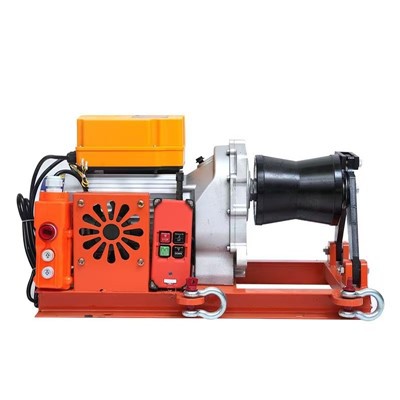
If you’re in the market for a portable electric hoist, I’d love to talk to you. I’ve been in this business for a while, and I can help you choose the right hoist for your needs. Whether you’re a small construction company or a DIY enthusiast, I’ve got options that will work for you. Just reach out, and we can have a chat about your requirements and how I can help you get the job done safely.
Lifting Auxiliary Frame References
- OSHA Guidelines on Hoisting Equipment
- General Industry Standards on Lifting Appliances
Hebei Hengtai Crane Machinery Manufacturing Co., Ltd.
Address: Weigezhuang Village, Donglu Township, Qingyuan District, Baoding City, Hebei Province
E-mail: hbht@cnhengtai.com
WebSite: https://www.cnhengtai.com/
