Hey there! I’m part of a special parts supply crew, and I’ve seen firsthand how crucial it is to keep these parts in tip – top shape to make sure they perform at their best. In this blog, I’m gonna share some smart ways to maintain special parts for optimal performance. Special Parts
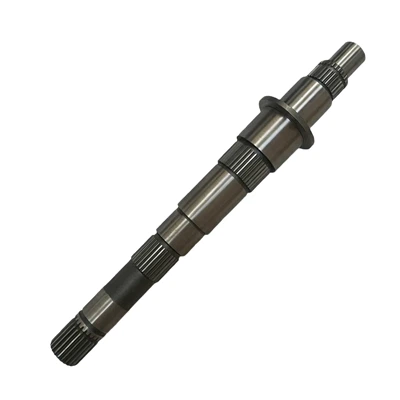
Understanding Your Special Parts
Before you start any maintenance work, it’s essential to know exactly what you’re dealing with. Special parts can vary widely in terms of their material, design, and function. For example, some parts might be made of high – strength alloys, while others could be precision – machined plastic components. Each type has its own specific needs.
If it’s a metal part, you need to be aware of its susceptibility to corrosion. For instance, stainless steel might be more resistant, but it’s not completely immune. On the other hand, aluminum parts can develop a thin oxide layer, which is usually protective but can also cause issues if it builds up unevenly.
Plastic parts, meanwhile, can be affected by factors like UV light, heat, and chemical exposure. Some plastics become brittle over time when exposed to sunlight for long periods, while others can swell or deform when in contact with certain chemicals.
So, make sure you have a detailed understanding of the parts you’re working with. Check the manufacturer’s specifications, and don’t be afraid to ask questions. If you’re an end – user or a technician, call the supplier (that’s us!) and get the low – down on the best care practices.
Routine Inspection
Regular inspections are key to maintenance. You can’t fix a problem if you don’t know it exists, right? Set up a schedule for inspecting your special parts. Depending on how often the parts are used, this could be weekly, monthly, or even quarterly.
During these inspections, look for obvious signs of wear and tear. Check for cracks, chips, or any visible damage. For parts with moving components, make sure they’re still moving smoothly. You can use simple tools like magnifying glasses to spot small defects that might not be visible to the naked eye.
Measure critical dimensions. Over time, parts can wear down and change size. If a part is supposed to fit precisely into another component, even a small change in size can cause problems. Use calipers or micrometers to get accurate measurements and compare them to the original specifications.
Pay attention to any unusual noises or vibrations. These can be early warning signs of problems. If a part is making a rattling sound, it could mean that something is loose or damaged inside.
Cleaning
Keeping your special parts clean is a no – brainer, but it’s also something that’s often overlooked. Dust, dirt, and grime can all accumulate on parts and affect their performance.
The cleaning method depends on the material of the part. For metal parts, you can usually use a mild detergent and water. Make sure to dry the parts thoroughly afterward to prevent corrosion. Avoid using abrasive cleaners that could scratch the surface.
Plastic parts can be more delicate. Use a soft cloth and a gentle cleaner specifically formulated for plastics. Some plastics can be damaged by harsh chemicals, so always test the cleaner on a small, inconspicuous area first.
For parts with intricate designs or hard – to – reach areas, you might need to use specialized cleaning tools. For example, a small brush can be used to clean out narrow channels, and compressed air can be used to blow out dust from tight spaces.
Lubrication
If your special parts have moving components, lubrication is essential. Lubricants reduce friction, prevent wear, and can even help with heat dissipation.
Choose the right lubricant for the job. Different parts require different types of lubricants. For high – speed moving parts, you’ll need a lubricant with low viscosity to ensure smooth operation. For parts that are exposed to high temperatures, a high – temperature lubricant is necessary.
Apply the lubricant in the right amount. Too much lubricant can attract dirt and debris, which can cause more problems. Too little, and the parts won’t be properly protected. Follow the manufacturer’s recommendations for the type and amount of lubricant to use.
Regularly check the lubricant level. Over time, lubricants can break down or leak out. If you notice a drop in the lubricant level, it’s time to top it up or replace it.
Storage
When the special parts are not in use, proper storage is crucial. Improper storage can cause damage that could affect the part’s performance when it’s put back into service.
Keep the parts in a clean, dry environment. Moisture can cause corrosion in metal parts and promote the growth of mold on plastic parts. If possible, store the parts in a climate – controlled room.
Use appropriate storage containers. For small parts, you can use clear plastic bins or trays with compartments. This makes it easy to organize the parts and keep track of them. For larger parts, you might need to use custom – made storage racks or cabinets.
Label the parts clearly. This helps you quickly identify the parts when you need them and reduces the chances of misusing or damaging them during handling.
Professional Help
Sometimes, despite your best efforts, you might encounter problems that are beyond your expertise. That’s when it’s time to call in the pros.
If you’re unsure about the cause of a problem or how to fix it, reach out to the supplier. As a special parts supplier, we have a team of experts who can provide technical support. We’ve dealt with all sorts of issues related to our parts, and we can offer solutions based on our experience.
In addition, there are also independent maintenance and repair services that specialize in working with special parts. These professionals have the tools and knowledge to diagnose and fix complex problems.
Training and Education
If you’re responsible for maintaining special parts, it’s a good idea to get some training. There are many courses available, either online or in – person, that can teach you about the proper maintenance techniques for different types of parts.
Training can also help you stay up – to – date with the latest industry trends and best practices. As technology advances, new materials and manufacturing methods are being developed, which can affect the way you maintain parts.
Encourage your team members to get trained as well. A well – trained team is more likely to spot problems early and take the right steps to maintain the parts properly.
Documentation
Keep detailed records of all maintenance activities. This includes inspection reports, cleaning schedules, lubrication logs, and any repair work that has been done.
Documentation is important for several reasons. First, it helps you keep track of the history of each part. If a problem occurs, you can look back at the records to see if there have been any previous issues or if the maintenance schedule has been followed correctly.
Second, it provides evidence of proper maintenance. If you need to make a warranty claim or if there are any regulatory requirements, having detailed documentation can be very helpful.
Conclusion

Maintaining special parts is a multi – faceted process that requires attention to detail and a proactive approach. By understanding the parts, conducting regular inspections, cleaning and lubricating them properly, storing them correctly, seeking professional help when needed, getting trained, and keeping good documentation, you can ensure that your special parts perform at their best for a long time.
Precision Custom Components If you’re in the market for high – quality special parts or need more advice on maintenance, don’t hesitate to reach out. We’re here to help you get the most out of your parts and keep your operations running smoothly. Contact us to start a discussion about your procurement needs, and let’s work together to find the best solutions for you.
References
- Manufacturer’s manuals and specifications for special parts.
- Industry – specific maintenance guides and best – practice documents.
- Technical articles from reputable engineering and manufacturing publications.
Hubei Kangding Machinery Equipment Co., Ltd.
We’re well-known as one of the leading special parts manufacturers and suppliers in China, specialized in providing high quality customized products. Please feel free to buy advanced special parts for sale here from our factory. For pricelist, contact us now.
Address: Qianchang Industrial Park, Jingshan County, Jingmen City, Hubei Province
E-mail: 339248585@qq.com
WebSite: https://www.cnkangding.com/
