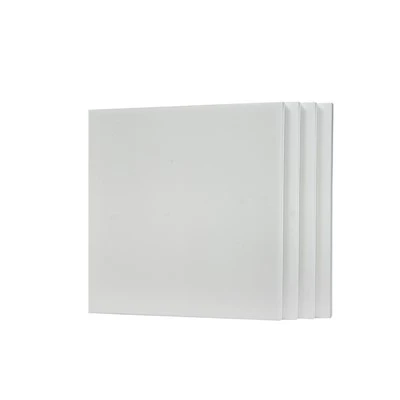
As a supplier of fire retardant insulation boards, I’m often asked about the fire retardant characteristics of these essential building materials. In this blog post, I’ll delve into the key aspects of what makes fire retardant insulation boards a reliable choice for enhancing fire safety in various applications. Fire Retardant Insulation Board
Understanding Fire Retardancy
Fire retardancy refers to the ability of a material to resist or slow down the spread of fire. Fire retardant insulation boards are designed to meet strict safety standards by incorporating special chemicals and materials that inhibit the ignition and combustion processes. These boards play a crucial role in helping to contain fires, providing additional evacuation time, and reducing property damage.
Chemical Composition and Mechanisms
The fire retardant properties of insulation boards are primarily achieved through the use of fire retardant additives. These additives can be classified into different types, each with its own mode of action.
Halogen – Based Fire Retardants
Halogen – based fire retardants, such as brominated and chlorinated compounds, were widely used in the past. They work by releasing halogen radicals when exposed to heat. These radicals react with the fuel radicals in the combustion process, interrupting the chain reaction and suppressing the fire. However, due to environmental and health concerns, the use of some halogen – based fire retardants has been restricted in recent years.
Phosphorus – Based Fire Retardants
Phosphorus – based fire retardants are an alternative to halogen – based ones. When heated, they decompose to form a phosphoric acid layer on the surface of the insulation board. This layer acts as a barrier, inhibiting the transfer of heat, oxygen, and fuel, thereby suppressing the combustion process. Phosphorus – based fire retardants are generally considered more environmentally friendly and are commonly used in modern fire retardant insulation boards.
Mineral – Based Fire Retardants
Mineral – based fire retardants, such as aluminum hydroxide and magnesium hydroxide, are also popular choices. These materials release water vapor when heated, which cools the surrounding area and dilutes the combustible gases. Additionally, they form a protective layer of metal oxides on the surface of the board, preventing further combustion.
Fire Performance Ratings
Fire retardant insulation boards are tested and classified according to various fire performance standards. One of the most common ratings used is the Euroclass system, which categorizes building materials based on their reaction to fire.
Euroclass Ratings
The Euroclass ratings range from A1 (non – combustible) to F (highly flammable). Fire retardant insulation boards typically fall into the A2 – s1, d0 to B – s1, d0 categories. An A2 – s1, d0 rated board means that the material is mostly non – combustible, has limited smoke production (s1), and does not produce flaming droplets (d0). This rating indicates a high level of fire safety.
Other National and International Standards
In addition to the Euroclass system, different countries have their own fire safety standards. For example, in the United States, the Underwriters Laboratories (UL) has developed a series of tests, such as UL 723 for surface burning characteristics. Our fire retardant insulation boards are designed to meet or exceed these various international standards, ensuring their suitability for a wide range of global markets.
Thermal Insulation and Fire Resistance Relationship
One of the unique features of fire retardant insulation boards is their ability to provide both thermal insulation and fire resistance. These two properties are closely related and highly beneficial in building applications.
Thermal Insulation and Fire Containment
Good thermal insulation helps to slow down the transfer of heat through the building envelope. In the event of a fire, this can prevent the rapid spread of heat to other parts of the building, reducing the risk of fire spread and structural damage. Fire retardant insulation boards are engineered to maintain their thermal insulation properties even at high temperatures, contributing to the overall fire safety of the building.
Energy Efficiency and Fire Safety
By providing efficient thermal insulation, these boards also help to reduce energy consumption in buildings. This dual benefit makes them an attractive choice for architects, builders, and property owners who are looking for sustainable and safe building solutions.
Applications of Fire Retardant Insulation Boards
Fire retardant insulation boards have a wide range of applications in the construction industry.
Building Envelopes
They are commonly used in external walls, roofs, and floors of buildings to improve fire safety and thermal performance. In multi – story buildings, they can act as a barrier between different floors, preventing the spread of fire and smoke through vertical voids.
HVAC Systems
Insulation for heating, ventilation, and air – conditioning (HVAC) systems is crucial for energy efficiency and fire safety. Fire retardant insulation boards can be used to insulate ducts, pipes, and equipment, reducing heat loss and preventing the spread of fire in case of a malfunction.
Industrial Buildings
In industrial settings, where there may be a higher risk of fire due to the presence of flammable materials and machinery, fire retardant insulation boards are essential. They can be used in warehouses, factories, and power plants to protect against fire hazards.
Quality Assurance and Testing
As a supplier, we take quality assurance and testing very seriously. Our fire retardant insulation boards undergo rigorous testing at every stage of the production process.
In – House Testing
We have our own in – house testing facilities where we conduct regular quality checks on the raw materials and finished products. These tests include measuring the fire performance, thermal conductivity, and mechanical properties of the boards.
Third – Party Certification
In addition to in – house testing, our products are also independently tested and certified by recognized third – party organizations. This certification gives our customers the confidence that our fire retardant insulation boards meet the highest industry standards.
Conclusion
Fire retardant insulation boards are a vital component in modern building construction, offering excellent fire retardant characteristics, thermal insulation, and a wide range of applications. Their chemical composition, fire performance ratings, and relationship with thermal insulation make them a reliable choice for enhancing fire safety in buildings.
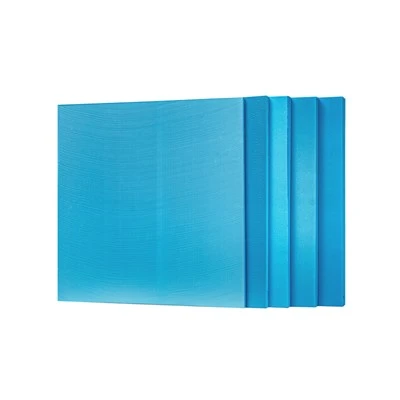
Floor Heating Insulation Board If you’re interested in learning more about our fire retardant insulation boards or are considering a purchase for your next project, I encourage you to reach out. We’re here to provide you with detailed information, technical support, and competitive pricing. Let’s start a conversation about how our products can meet your specific fire safety and insulation needs.
References
- "Fire Retardant Materials Handbook", edited by Charles A. Wilkie and Ellen M. Pearce.
- European Committee for Standardization (CEN). EN 13501 – 1: 2007+A1: 2009. Fire classification of construction products and building elements – Part 1: Classification using data from reaction to fire tests.
- Underwriters Laboratories. UL 723: Standard for Test for Surface Burning Characteristics of Building Materials.
Wenzhou Lejia Energy-saving Material Co., Ltd.
As one of the leading manufacturers and suppliers of fire retardant insulation board in China, we’re featured by quality products and good service. Please rest assured to buy advanced fire retardant insulation board for sale here from our factory. We also accept customized orders.
Address: Block A, No. 128 Changxiu Road, Lingkun Subdistrict, Wenzhou Marine Economy Development Demonstration Zone, Zhejiang Province, China.
E-mail: luckyfoam@vip.163.com
WebSite: https://www.lfxps.com/
