Hey there! I’m a supplier of LPG equipment, and today I wanna share with you how to install LPG equipment. Whether you’re a DIY enthusiast or a professional installer, this guide will give you the lowdown on getting your LPG system up and running safely and efficiently. LPG Equipment
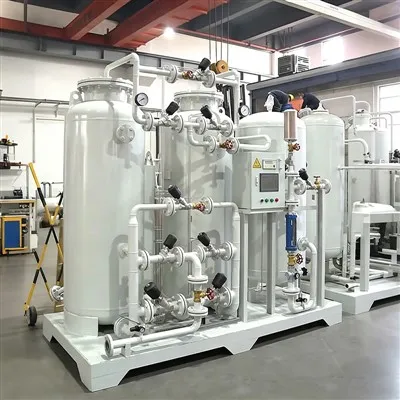
Pre – installation Checks
Before you even think about starting the installation, there are a bunch of important checks you gotta do. First off, you need to make sure the LPG equipment you’ve got is the right fit for your needs. Check the specifications, like the capacity of the LPG cylinder or the output of the regulator. It’s no good trying to use a small – capacity regulator for a high – demand appliance.
Next, have a good look at the installation site. It should be well – ventilated. LPG can be dangerous if it builds up in an enclosed space, so a spot with plenty of air circulation is a must. Also, make sure the area is dry and free from any potential sources of ignition, like open flames or electrical sparks.
Inspect all the components of the LPG equipment for any damage. Check the hoses for cracks, the valves for leaks, and the cylinders for dents or rust. If you find any issues, don’t use the damaged parts. Replace them right away to avoid any safety hazards.
Tools and Materials
You’ll need a few tools and materials to install the LPG equipment. Here’s a quick list:
- Wrenches: You’ll need different sizes of wrenches to tighten the connections properly. A combination wrench set usually does the trick.
- Leak detection solution: You can buy this at a hardware store. It helps you find any gas leaks after you’ve made the connections.
- Teflon tape: Wrap this around the threads of the fittings to create a tight seal and prevent gas from leaking out.
Installing the LPG Cylinder
Let’s start with the LPG cylinder. Place the cylinder in a stable, upright position. Make sure it’s on a flat surface and won’t tip over. You don’t want a rogue cylinder rolling around and causing chaos!
The cylinder valve should be closed before you start the connection process. Once the cylinder is in place, attach the regulator to the cylinder valve. Use your wrench to tighten the connection, but don’t go overboard. You just want a firm, leak – free connection.
Connecting the Hoses
Now it’s time to connect the hoses. First, wrap some Teflon tape around the threads of the hose fittings. This will help create a better seal. Then, attach one end of the hose to the regulator and the other end to the appliance. Again, use your wrench to tighten the connections.
After you’ve connected the hoses, it’s crucial to check for leaks. Apply the leak detection solution to all the connections. If you see bubbles forming, that means there’s a leak. Tighten the connection a bit more, or if it still leaks, you may need to replace the fitting.
Installing the Appliance
When it comes to installing the LPG – powered appliance, follow the manufacturer’s instructions carefully. Different appliances have different installation requirements. For example, a gas stove may need to be leveled properly and secured to the floor or countertop.
Make sure all the electrical connections (if any) are made correctly and that the appliance is grounded if required. This is important for safety reasons.
Testing the System
Once everything is installed, it’s time to test the system. Open the cylinder valve slowly. You should hear a slight hiss as the gas starts to flow. Check all the connections again for leaks using the leak detection solution.
If there are no leaks, turn on the appliance according to its instructions. See if it ignites properly and functions as it should. If you run into any issues, like the appliance not lighting or the flame being too weak or too strong, there could be a problem with the installation or the equipment itself.
Safety Precautions
Safety is always the top priority when dealing with LPG equipment. Here are some key safety tips:
- Never use LPG equipment in an enclosed space without proper ventilation.
- Keep a fire extinguisher nearby in case of emergencies.
- Regularly check the equipment for leaks and wear and tear.
- If you smell gas, turn off the cylinder valve immediately, open the windows and doors, and don’t use any electrical switches or create any sparks.
Maintenance
Proper maintenance of your LPG equipment is essential for its longevity and safety. Here are some maintenance tasks you should do regularly:
- Check the hoses for cracks or signs of wear every few months. Replace them if necessary.
- Have the regulator serviced by a professional at least once a year.
- Inspect the cylinder for rust, dents, or other damage regularly.
Troubleshooting Common Issues
Sometimes, you may encounter some common issues with your LPG equipment. Here are a few solutions:
- Weak flame: This could be due to a restricted gas flow. Check the regulator and the hoses for any blockages.
- Gas smell: As mentioned before, if you smell gas, turn off the cylinder valve and check for leaks. If you can’t find the source, call a professional.
- Appliance not igniting: Check the ignition system of the appliance. It could be a problem with the spark plug or the pilot light.
Why Choose Our LPG Equipment?
As a supplier of LPG equipment, we offer high – quality products that are reliable and safe. Our equipment is made from top – notch materials and undergoes strict quality control tests.

We also provide excellent customer support. If you have any questions about installation, maintenance, or troubleshooting, our team is always ready to help. We want to make sure you’re satisfied with your purchase and that your LPG system runs smoothly.
Reach Out for More
Gas Plant If you’re interested in purchasing LPG equipment, we’d love to talk to you. Whether you need a single cylinder and regulator for a small project or a large – scale installation for a commercial venue, we’ve got you covered. Contact us to discuss your requirements, and let’s work together to get the best LPG equipment solution for you.
References
- LPG Safety Manual, National Fire Protection Association
- Installation Guidelines for LPG Appliances, American Gas Association
- Manufacturer’s Instructions for LPG Equipment, Various Brands
Xinxiang Jincheng Technology Co., Ltd.
As one of the most professional LPG equipment manufacturers in China, we’re featured by quality products and good service. Please rest assured to buy customized LPG equipment made in China here from our factory. For pricelist, contact us now.
Address: Industrial Park, Fengquan District, Xinxiang City, Henan Province, China
E-mail: cncd05@cryocontainer.com
WebSite: https://www.jinchengspecialgas.com/
