Hey there! As a supplier of Roof Ridge Cap Roll Forming Machines, I know how crucial it is for you to test the performance of these machines before making a purchase. After all, you’re investing a significant amount of money, and you want to ensure you’re getting the best value for your buck. So, let’s dive into how you can test the performance of a Roof Ridge Cap Roll Forming Machine before you buy it. Roof Ridge Cap Roll Forming Machine

1. Check the Machine’s Build Quality
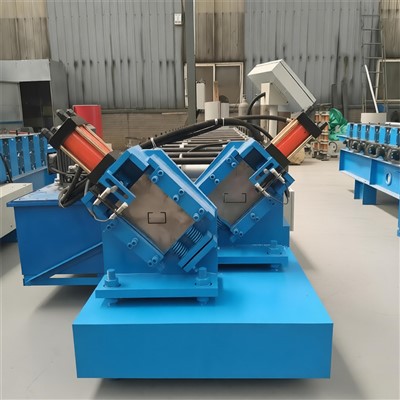
First things first, take a good look at the machine’s build quality. A well – built machine is likely to perform better and last longer. You can start by examining the frame of the machine. It should be made of high – quality steel or other durable materials. Check for any signs of welding defects, like uneven welds or cracks. These could lead to structural problems down the line.
Also, look at the rollers. They should be made of hard – wearing materials such as hardened steel. The surface of the rollers should be smooth and free from any scratches or dents. If the rollers are damaged, it can affect the quality of the roof ridge caps produced.
2. Evaluate the Machine’s Speed and Efficiency
The speed and efficiency of the machine are key factors. You want a machine that can produce a large number of roof ridge caps in a short amount of time. Most suppliers will provide you with the machine’s production speed in meters per minute. But don’t just take their word for it. Ask if you can see a live demonstration.
During the demonstration, time how long it takes for the machine to produce a certain number of ridge caps. Compare this with the claimed production speed. If the actual speed is significantly lower, it might be a red flag. Also, pay attention to how smoothly the machine operates. A machine that frequently stops or jams is not efficient and will cause delays in your production.
3. Test the Forming Accuracy
The accuracy of the forming process is crucial. The roof ridge caps need to have the right shape and dimensions. You can test this by asking the supplier to produce a sample batch of ridge caps. Use measuring tools like calipers and rulers to check the dimensions of the caps. They should match the specifications provided by the supplier.
Look for any signs of deformation, such as uneven bends or warping. If the caps are not formed accurately, they won’t fit properly on the roof, which can lead to leaks and other problems. Also, check the consistency of the formed caps. All the caps in the batch should have the same shape and dimensions.
4. Examine the Material Compatibility
A good Roof Ridge Cap Roll Forming Machine should be able to work with a variety of materials. Most commonly, these machines are used to form galvanized steel, aluminum, and PVC. Ask the supplier about the machine’s material compatibility.
If possible, bring some samples of the materials you plan to use and have the machine form them into ridge caps. This will give you a real – world idea of how well the machine works with your specific materials. Pay attention to how the machine handles different thicknesses of materials. A high – quality machine should be able to form materials of various thicknesses without any issues.
5. Check the Electrical and Control Systems
The electrical and control systems of the machine are essential for its proper operation. Make sure the electrical components are of good quality and are properly installed. Check for any loose wires or exposed electrical parts. These can be a safety hazard.
The control system should be user – friendly. It should be easy to set the parameters for the machine, such as the length and width of the ridge caps. Ask the supplier to demonstrate how to operate the control system. If it’s too complicated or difficult to use, it can lead to errors in production.
6. Assess the Noise and Vibration Levels
During the demonstration, pay attention to the noise and vibration levels of the machine. Excessive noise and vibration can be a sign of a problem with the machine’s components or its balance. High noise levels can also be a nuisance in the workplace and may require additional noise – reducing measures.
A well – designed machine should operate quietly and with minimal vibration. If the machine is very noisy or vibrates excessively, it could indicate that the bearings are worn out, the rollers are not properly aligned, or there are other mechanical issues.
7. Look at the After – Sales Service
After – sales service is just as important as the machine’s performance. A good supplier should offer technical support, spare parts availability, and maintenance services. Ask the supplier about their after – sales service policy. How quickly can they respond to a problem? Do they have a local service team?
Also, check if they provide training for the machine operators. Proper training can ensure that the machine is used correctly and can help prevent breakdowns. A supplier who stands behind their product with good after – sales service is more likely to provide a high – quality machine.
8. Consider the Machine’s Energy Consumption
Energy consumption is an important factor, especially if you plan to run the machine for long hours. A machine that consumes less energy will save you money in the long run. Ask the supplier about the machine’s power requirements and energy efficiency.
You can also compare the energy consumption of different models. Some machines are designed with energy – saving features, such as variable frequency drives. These can adjust the machine’s power consumption based on the production requirements.
9. Get Feedback from Other Users
One of the best ways to test the performance of a machine is to get feedback from other users. Ask the supplier if they can provide you with references or testimonials from their existing customers. You can contact these customers and ask them about their experience with the machine.
Find out if they have had any problems with the machine, how easy it is to maintain, and if it meets their production needs. Their real – world experience can give you valuable insights that you might not get from a demonstration alone.
10. Compare Different Machines
Finally, don’t just settle for the first machine you see. Compare different models from different suppliers. Look at their features, performance, price, and after – sales service. This will help you make an informed decision and choose the machine that best suits your needs.
In conclusion, testing the performance of a Roof Ridge Cap Roll Forming Machine before purchase is essential. By following these steps, you can ensure that you’re getting a high – quality machine that will meet your production requirements and provide you with a good return on your investment.
If you’re interested in learning more about our Roof Ridge Cap Roll Forming Machines or want to arrange a demonstration, feel free to reach out to us. We’re here to help you make the right choice for your business.
Roof Roll Forming Machine References:
- Industry standards for Roof Ridge Cap Roll Forming Machines
- Manufacturer’s specifications and brochures
- Interviews with experienced machine operators and users
Botou Shengda Cold Forming Machinery Equipment Manufacturing Co., Ltd.
As one of the most professional roof ridge cap roll forming machine manufacturers and suppliers in China, we’re featured by quality products and good price. Please rest assured to buy durable roof ridge cap roll forming machine made in China here from our factory. Contact us for more details.
Address: Liuxin Village, Botou Town, Botou City, Cangzhou City, Hebei Province
E-mail: cangzhoushengda888@163.com
WebSite: https://www.sdrfm.com/
