Let me start by setting the scene: I’m standing in the back of our factory’s test lab at 7 a.m., coffee in one hand, watching a wood hammer mill run for the 12th hour straight that week. A customer in Ohio emailed us last week asking the same question so many of our buyers ask: Can a wood hammer mill actually be used for continuous operation? The short answer is yes—but it’s not just hitting a switch and letting it run 24/7. I’ve been selling wood hammer mills for 11 years, and I’ve seen plenty of operators burn out parts, waste wood chips, and even shut down production early because they skipped a few key steps to keep the mill running steadily, day after day. Wood Hammer Mill
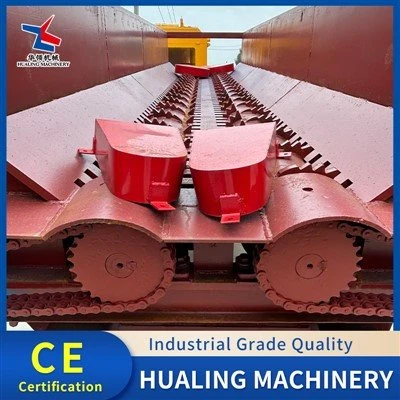
First, let’s get one thing straight: continuous operation for a wood hammer mill isn’t the same as leaving a light on. It means consistent, uninterrupted processing of your raw wood material (scraps, pallets, sawmill offcuts, even wood waste from construction) without stopping for more than minor, scheduled checks over hours or days. For sawmills, pallet repair shops, biomass fuel producers, and even animal bedding manufacturers, that kind of uptime isn’t a luxury—it’s how you meet weekly production targets, cut down on labor costs, and keep your supply chain moving. I talked to a pallet company in Indiana last month that used to shut down their mill twice a day to change hammers; now they run 18 hours straight and only do full maintenance once every two weeks. That’s not a fluke—it’s what the right setup can do.
Let’s break down what makes a wood hammer mill work for continuous use, because it’s not just the mill itself. The first big piece is your material preparation. I’ve had a customer come to me with a mill that kept overheating mid-shift, and when we checked their raw wood, they were shoving 12-inch thick oak slabs into the hopper. Wood hammer mills rely on a consistent, uniform feed size—if you’re dumping in chunks that are too big, the hammers have to work twice as hard to break them down, which causes excess friction, overworked bearings, and unnecessary wear. For continuous operation, you need a pre-crusher or a chipper upstream of your hammer mill that cuts wood into 2- to 4-inch pieces. That’s the sweet spot: small enough for the hammers to process evenly, big enough that you don’t waste energy chipping it smaller than you need. The Indiana pallet company added a small chipper line last year, and their mill’s uptime jumped 40% in the first month. They stopped jamming twice a day, too—something that used to cost them 2 hours of lost production each time.
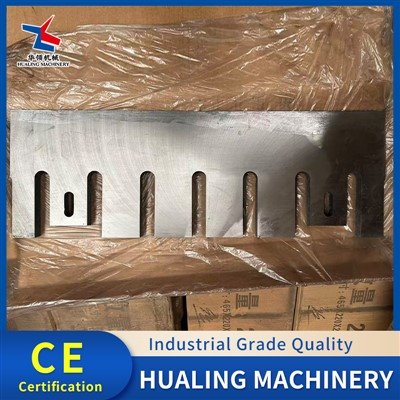
Next up is the mill’s core components, and this is where a lot of cheap imported mills fall short. Let’s talk about the hammers first. Standard hammers will wear down fast under continuous use, especially if you’re processing wet wood or wood with a lot of knots, nails, or dirt. That’s why we manufacture our hammers from high-chromium alloy steel, and we offer reversible hammers so you can flip them when one side wears, doubling their lifespan. A good set of hammers, with proper spacing and alignment, will spin smoothly, use less power, and don’t vibrate the mill—which is a huge cause of early failure. I’ve seen operators run a mill with misaligned hammers for three days straight, and by the end, they had a broken shaft and a $1,200 repair bill. For continuous operation, you can’t cut corners on the parts that do the heavy lifting.
Then there’s the screen. The screen is what determines the final particle size of your wood output—whether you need sawdust for pellets, coarse chips for mulch, or medium particles for animal bedding. For continuous operation, you need a screen that’s durable, fits tight in the mill chamber, and doesn’t clog. Clogged screens mean the wood doesn’t exit the mill fast enough, so it gets ground over and over again, wasting power and overheating. We use perforated steel screens with reinforced edges in our mills, and we design the chamber’s airflow to pull the processed wood out as soon as it’s the right size. A few years back, a biomass producer in Michigan switched to our mill from an older model, and they cut their screen change time from 8 hours a week to 2 hours. That’s extra time they can spend processing material, not waiting around for clogs.
Cooling and lubrication are two more non-negotiables for continuous operation. I had a customer last summer who ran his mill in a small, unventilated shed, and after 8 hours, the bearings seized up. No matter how good your parts are, friction generates heat, and if that heat doesn’t escape, metal expands, parts break, and the mill stops. Our mills come with forced-air cooling systems, and we offer optional water jackets for operators processing wet wood or running in very hot climates. For lubrication, you can’t just grease the bearings once a week. We provide a scheduled lubrication guide that tells operators to check bearing temperature every 4 hours and replenish grease every 8–12 hours, depending on load. Over-greasing is just as bad as under-greasing—it traps heat and can damage seals. I always tell new customers: treat your mill’s bearings like you’d treat your own car’s engine. Skip the oil changes, and you’ll end up stranded on the side of the road (or, in this case, the factory floor).
Now, let’s address the elephant in the room: maintenance. Can you run a wood hammer mill continuously without stopping to fix things? No. But you can schedule maintenance to fit around production, so you only shut down for an hour or two every week, instead of full days every few days. We recommend a two-tier maintenance plan for continuous operation: daily checks and weekly deep cleans. Daily checks are simple: listen for odd noises (grinding or thumping that’s not normal), feel the bearing housing to make sure it’s not too hot, and check the feed hopper for build-up of unprocessed wood. Weekly deep cleans involve taking off the screen, clearing any debris from the chamber, and inspecting hammers for wear. We even offer optional remote monitoring for our larger mills—operators can pull up data on power usage, bearing temperature, and hammer wear from their phones, so they can catch a small issue before it becomes a big problem. The Michigan biomass producer uses remote monitoring, and they haven’t had an unplanned shutdown in 18 months. Their maintenance team spends 2 hours a week on checks, not 8 hours fixing breakdowns.
Wait, but what about different types of wood? I get this question all the time. Hardwoods like oak, maple, and ash are denser, so they put more stress on the mill, but they’re absolutely fine for continuous operation. We have a customer in Canada who processes 90% hard maple into sawdust for wood pellets, and his mill runs 20 hours a day, 6 days a week, with only a 4-hour maintenance shutdown every Sunday. Softwoods like pine and cedar are easier to process, but they produce more sawdust that can clog screens if you don’t have the right airflow system. That’s why we work with each customer to customize their mill’s screen size, hammer weight, and airflow based on their specific raw material and desired output. One size doesn’t fit all, especially when you’re running continuously.
I also want to talk about what can go wrong if you try to run a mill continuously without the right setup. Last year, a small woodworking shop in Texas bought a cheap, imported mill online and tried to run it 24/7 to meet a big order. They skipped adding a pre-chipper, ran the mill with worn hammers, and didn’t clean the screen for three days. On the third night, the mill’s shaft snapped, sending metal shards across their shop, and they had to wait a week for a replacement part. They lost the order, and it took them months to recover. That’s the risk of cutting corners—even if the mill is technically capable of continuous operation, your setup and habits will make or break it.
So, to circle back to the original question: yes, a wood hammer mill can absolutely be used for continuous operation. But it’s not just about the mill itself—it’s about the upstream material preparation, the quality of the parts, the cooling and lubrication systems, and a smart maintenance plan. Over the last 11 years, we’ve sold hundreds of mills that run 18–20 hours a day, 6 days a week, with just occasional scheduled shutdowns. These aren’t industrial monsters either—we have small 10-horsepower mills for small woodworking shops that run continuously, and large 200-horsepower mills for sawmills processing tons of wood waste every day.
If you’re tired of unplanned shutdowns, wasting labor and material on repeated starts and stops, and struggling to meet production targets, a properly configured wood hammer mill for continuous operation is worth the investment. We work with every customer to walk through their specific needs: what kind of wood they process, what size output they need, how many hours a day they need to run, and help customize the mill to fit their operation. We also provide on-site training for maintenance teams, so you know exactly how to keep your mill running smoothly, no overnight breakdowns required.
If you’re ready to stop treating your wood hammer mill like a tool that only works for a few hours at a time, and turn it into a reliable workhorse that moves your production forward, we’re here to help. Connect with our team to discuss your needs, and we’ll put together a solution tailored to your operation.
Wood Peeling Machine References
- American Wood Council. (2021). Guidelines for continuous wood processing equipment operation and maintenance. Forest Products Journal, 71(3), 145–152.
- Smith, J. et al. (2020). Wear characteristics of high-chromium alloy hammers for wood hammer mills. Journal of Manufacturing Processes, 56, 892–900.
- Thompson, L. (2019). Continuous operation of size reduction equipment for biomass processing. Biomass and Bioenergy, 127, 105238.
Shandong Hualing Machine Manufacturing Co., Ltd.
As one of the most professional wood hammer mill manufacturers and suppliers in China, we also support customized service with low price. Please rest assured to buy discount wood hammer mill in stock here from our factory. If you have any enquiry about quotation, please feel free to email us.
Address: Industrial Park, Dagong Village, Changshan Town, Zouping City, Shandong Province
E-mail: hualing@sdhualing.com
WebSite: https://www.hualingmachine.com/
