If you’ve ever walked around a solar farm on a rainy day, knelt to adjust a panel mount in a drizzle, or hung a string of solar cables from a rooftop knowing a thunderstorm is rolling in, you’ve probably had the same question cross your mind: Are PV solar cables waterproof? As a PV solar cable supplier who’s talked to installers, engineers, and even weekend DIY solar project owners for over a decade, this is one of the most common (and most important) questions I get. It’s not just about keeping power flowing in bad weather—it’s about preventing short circuits, corrosion, and costly damage that can shut down an entire system for months. Let’s break this down, because the answer isn’t a simple “yes” or “no”—it’s a lot more nuanced than that, and getting it right makes all the difference for your solar investment. PV Solar Cables
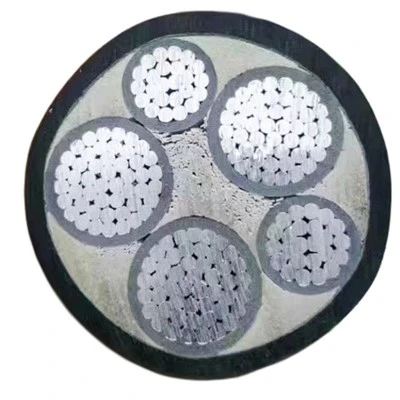
First, let’s start with what a PV solar cable actually is, because that’s key to understanding why waterproofing is such a big deal. Unlike regular electrical cables you’d use inside your home, PV solar cables are built to operate outdoors 24/7, 365 days a year. They have to withstand extreme temperatures—from -40°F in a snowy mountain range to 185°F in a desert rooftop—UV radiation that degrades plastic over time, and constant bending as they run between panels, through conduits, and down to the inverter. The core of the cable is usually copper (for conductivity) or aluminum (for lighter, lower-cost systems), wrapped in multiple layers of insulation and a outer jacket that’s specifically formulated for solar use.
When it comes to waterproofing, the main line of defense is that outer jacket, right? But not all outer jackets are the same. Back in the early days of residential solar, a lot of installers would use generic outdoor electrical cables that looked rugged enough, only to find out they failed within two or three years. Those generic cables used jackets made of PVC (polyvinyl chloride), which is cheap, but it breaks down under UV exposure and doesn’t hold up well to long-term moisture. Real PV solar cables use jackets made of cross-linked polyethylene (XLPE) or thermoplastic elastomer (TPE)—materials that are rated for UV resistance, temperature extremes, and, crucially, water penetration.
But here’s where the myth of “all PV cables are waterproof” comes from: the cable itself is designed to be water-resistant, not fully waterproof. That might sound like a tiny semantic difference, but it’s huge. Water-resistant means the cable can handle exposure to rain, splashes, snow, and even temporary submersion (like if a panel is flooded during a heavy storm) without letting water get to the conductive core. Fully waterproof, on the other hand, is a rating you’d see on something like a waterproof phone case, which can be submerged deep in water for long periods—something PV cables aren’t tested for, and don’t need to be. Solar systems don’t have cables sitting at the bottom of a lake; they’re mounted on rooftops, strung between panels, and run through raceways, so their water exposure is usually surface-level or temporary.
Now, let’s get into the technical ratings that prove this, because this is what professional installers rely on, and it’s something I always make sure my customers understand. PV cables are rated with IP (Ingress Protection) codes, which tell you how well they block solids (like dust) and liquids (like water). The most common IP rating for PV solar cables is IP67. Wait, IP67—let’s decode that: the first number (6) means the cable is completely protected from dust, so no solid particles can get inside. The second number (7) means the cable can be submerged in up to 1 meter of fresh water for up to 30 minutes without any water getting in. That’s more than enough for almost any real-world scenario a solar cable will face. A heavy downpour? No problem. A few inches of standing water on a flat rooftop after a storm? Perfectly fine. Even snow that melts and seeps around the cable connections? The jacket holds up.
But here’s the catch: that IP rating is only for the cable itself. The weak point of any solar setup isn’t the cable—it’s the connections between cables, between cables and panels, or between cables and the inverter. I’ve seen too many jobs go wrong because an installer used a generic splice connector that wasn’t rated for PV use, or didn’t properly seal the connections, letting water seep in over time. Even the best PV cable in the world is useless if the connection points are left open to moisture. That’s why, when we supply PV cables, we always include guidance on using compatible waterproof connectors and proper installation techniques—like crimping connections firmly, sealing them with heat shrink or weatherproof tape, and making sure all junction boxes are mounted above standing water. I had a customer last year who cut corners on a commercial rooftop installation: he used our correctly rated PV cables, but used regular electrical tape to seal the connections instead of the approved heat shrink. A few months later, a heavy rainstorm flooded part of the rooftop, and water seeped through the tape, corroding two of the cable cores and cutting power to 12 panels. That cost him thousands in repairs and lost energy production—all because he skipped the right connection sealing.
Another common question I get is about long-term water exposure over years, not just a single storm. Solar systems are built to last 25 to 30 years, so it’s not just about surviving a rainstorm—it’s about surviving decades of humidity, occasional snowmelt, and even salt air if you’re installing near the coast. Our PV cables are tested to withstand 10,000 hours of UV exposure, which is equivalent to about 10 years of full sun, and they’re also rated for resistance to water absorption—meaning they don’t take in moisture even when left out in damp conditions for months. We did a test a few years ago where we submerged a batch of our cables in a 10% saltwater solution for 1,000 hours (that’s over a month of constant submersion) and tested their conductivity afterward. The result? No drop in performance, no corrosion in the core, no signs of the jacket breaking down. That’s the kind of real-world testing we do as a supplier, because we know customers need cables that will hold up, not just pass a one-time certification test.
Wait, but what about underground solar cable runs? A lot of commercial systems and some residential ones use PV cables buried underground to connect to the inverter. Is the same waterproofing enough there? That’s a great question, and it’s one we get all the time. For direct-burial runs, you don’t just need a PV cable with a good outer jacket—you also need to make sure it’s rated for direct burial (often marked with a “-UF” or similar designation) and that it’s either run in a rigid conduit or buried deep enough (usually at least 18 inches deep) to avoid damage from digging or rodents. Our direct-burial PV cables have an even thicker outer jacket, designed to resist punctures from rocks, moisture from the soil, and even small amounts of moisture that can seep into trench walls. I once had a customer who installed a direct-burial run without using a conduit in a rocky area—within a year, a sharp rock punctured the jacket, and groundwater seeped in, causing a short circuit when the snowmelt came in the spring. We replaced the cable for him, but he learned the hard way that even waterproofed cables need extra protection when buried.
Another point that’s often overlooked is temperature and moisture working together. If you live in a climate that cycles between hot, dry summers and cold, wet winters, the expansion and contraction of the cable as it heats up and cools down can create tiny gaps at connections or splices over time. That’s why it’s so important to use PV-specific connectors that are designed to flex with the cable and maintain a tight seal, rather than generic connectors that can loosen as temperatures change. We recommend that all our customers do a visual inspection of their cable connections at least once a year, especially before the rainy season, to make sure there’s no cracking in the jacket or gaps in the seals. It takes 15 minutes, and it can prevent thousands of dollars in damage from a simple water-related issue.
I also want to address a common misconception among new solar installers and DIYers: just because a cable is waterproof-rated, it doesn’t mean you can ignore installation best practices. I’ve seen people run PV cables through a gap in a roof flashing, leaving a gap where water can seep into the attic or wall, even if the cable itself is fine. That’s not a failure of the cable’s waterproofing—that’s a failure of proper installation. A good PV cable’s waterproofing is designed for the cable itself, not for poor workmanship around the cable. As a supplier, we don’t just sell cables—we sell knowledge, because we know that even the best product won’t work if it’s installed incorrectly.
Over the years, I’ve worked with hundreds of customers, from small residential installers to large utility-scale solar farms, and the ones that have the longest-lasting, most efficient systems are the ones that pay attention to the details of PV cable waterproofing. They don’t buy the cheapest cables on the market that claim to be “waterproof” but actually use generic PVC jackets with no IP rating. They invest in cables that are tested for UV resistance, temperature extremes, and water penetration. They use the correct connectors and sealings, and they do regular inspections.
If you’re in the market for PV solar cables, whether you’re putting in a small residential system or a large commercial farm, I can’t stress enough how important it is to ask the right questions. Don’t just ask if the cable is waterproof—ask what its IP rating is, what its jacket material is, whether it’s rated for direct burial if that’s what you need, and if it’s tested for long-term moisture exposure. As someone who’s been in this industry long enough to see the mistakes and the successes, I can tell you that investing in quality PV cables that are properly waterproof-rated is one of the best decisions you can make for your solar system.
At the end of the day, PV solar cables are designed to handle the elements, including water, but only if you choose the right product and install it correctly. It’s not a black-and-white answer, but once you understand the ratings, the materials, and the installation best practices, you can feel confident that your cables will keep your solar system running for decades, no matter what the weather throws at it.
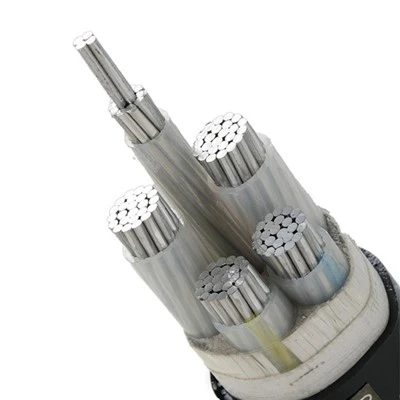
If you’re ready to source PV solar cables that meet industry standards for waterproofing, durability, and performance, we’re here to help. Whether you need advice on which cable is right for your project, a quote for bulk orders, or technical support for your installation, our team has the experience to guide you every step of the way. Reach out to start a conversation about your PV cable needs.
Aluminum Alloy Cable References
Underwriters Laboratories. (2020). Standard for Safety for Photovoltaic Cable. UL 4703.
International Electrotechnical Commission. (2019). Photovoltaic Cables – Specifications and Test Methods. IEC 62930.
Solar Energy Industries Association. (2021). Best Practices for PV System Installation. SEA Guide 123.
National Electrical Manufacturers Association. (2022). Ingress Protection Ratings for Electrical Cables. NEMA Standards Publication No. VP 1-2022.
Hebei Fengbo Electrical Equipment Co., Ltd.
Address: No.100 meters south, East Ring Road & Wei’er Road intersection, Huang’erying East Village, Jiajiakou Town, Ningjin County, Xingtai City, Hebei Province, China
E-mail: fonbocable@gmail.com
WebSite: https://www.fonbocable.com/
