If you’ve ever worked with outdoor gear, event setups, or even in the hospitality industry, you’ve likely relied on a waterproof blanket. But if you’re a bulk buyer—or a small business owner just testing the waters—you’ve probably asked: How long does a waterproof blanket actually last? As a supplier who’s been fielding this question for years, I can tell you the answer isn’t as straightforward as “5 years” or “10 years.” It depends on way more than just the material it’s made from. Let’s break it down, mixing real-world use cases, industry data, and the lessons I’ve learned from customers who’ve put our blankets through their paces. Waterproof Blanket
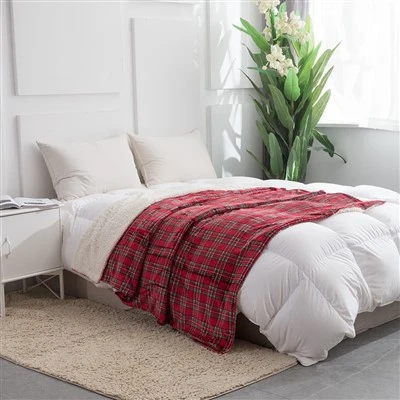
First, let’s start with the basics: not all waterproof blankets are created equal. I’ve seen cheap, thin disposable blankets fall apart after one heavy rainstorm, and heavy-duty commercial-grade blankets hold up for a decade or more. The core of the durability lies in two key factors: the base fabric and the waterproofing coating. Most quality blankets use a woven polyester or nylon base—polyester is more abrasion-resistant, nylon is lighter, but both hold up better than cheap non-woven polypropylene. The waterproofing is usually a polyurethane (PU) or vinyl coating, with PU being more flexible and less prone to cracking than vinyl, especially in temperature extremes.
Now, let’s get into the actual lifespan, broken down by use case. This is where the rubber meets the road, because how you use and store the blanket matters just as much as the material. For casual, occasional use—think a family using a blanket once a year for a camping trip, a backyard picnic, or a one-time garage sale setup—our standard residential-grade waterproof blankets will last 5 to 7 years. I have a repeat customer who works part-time as a freelance photographer and uses our standard blanket for outdoor shoots; he swears his 6-year-old one still works perfectly, even though he folds and unfolds it every other weekend, sometimes dragging it over uneven grass or gravel. The key here is that he cleans it after every use, lets it dry completely before storing it in a cool, dry closet, and never leaves it out in the sun for weeks on end.
That’s a big point: UV exposure is the enemy of waterproof blankets. If you leave a blanket draped over a patio furniture cover or a construction scaffold year-round, the sun’s ultraviolet rays break down both the base fabric and the waterproof coating. We did a quick test a couple years ago with three identical standard blankets: one stored indoors when not in use, one kept outside on a shaded back patio, and one left fully exposed to direct sun. The indoor one was still in like-new condition after 3 years. The shaded one had minor fading and a tiny crack in a corner after 2 years. The fully sun-exposed one had a brittle, peeling coating and frayed edges after 8 months. UV damage is the number one reason our customers return or replace blankets early, and it’s almost entirely preventable with proper storage.
For commercial or heavy-duty use—our industrial-grade blankets, which are thicker, reinforced with stitching, and have a heavier PU coating—things are different. These are made for constant, rough use: event companies setting up and tearing down tents or barriers every weekend, construction teams laying them over concrete to prevent curing cracks or water damage, or farms using them to cover equipment or feed. For these, the lifespan ranges from 10 to 15 years, but only with regular maintenance. I had a construction client in Ohio who used our heavy-duty blankets for 12 years before replacing his first set, and when he sent them back for us to take a look, the only damage was a small tear in one edge that he could have patched easily. The waterproof coating still held up perfectly—he just wanted new ones for his team’s new truck fleet. The difference? He never left them out overnight in a storm without drying them first, he washed them quarterly with mild soap (no harsh chemicals that can break down the coating), and he stored them rolled up, not folded, to prevent creases that can crack the waterproof layer over time.
Disposable waterproof blankets, which are common for one-time events, medical use, or short-term spill control, are a whole other category. These are designed for single use, so they last anywhere from a few hours to a few weeks, depending on conditions. A disposable blanket used for a one-time rain dance at an outdoor festival might hold up for 6 hours, but if it’s dragged through mud or exposed to heavy wind, it can tear in 10 minutes. For short-term use where you don’t need long-term durability, disposables are a great choice, but it’s important to manage expectations about their lifespan.
Now, let’s talk about the signs that your waterproof blanket is reaching the end of its life, because it’s not just about a number on a calendar. The first big sign is water penetration. If you use the blanket and notice moisture getting through, that’s the waterproof coating starting to break down. Sometimes that’s fixable with a waterproofing spray designed for the specific coating (PU or vinyl), but if the base fabric is also frayed or brittle, it’s time to replace it. Another sign is physical damage: tears, frayed edges, or holes. A small tear in a heavy-duty blanket can be patched, but a large tear that goes through multiple layers means the fabric is compromised and won’t hold up to future use. Fading is also a sign—if the fabric is so faded that the coating is peeling, that’s UV damage that’s likely beyond repair.
I’ve had customers come to me asking how to extend the life of their blankets, and the good news is that most of the maintenance steps are simple and don’t take much time. First, always clean your blanket after use. If it gets dirty, wash it with mild detergent and cold water, never hot water, which can melt or warp the coating. Never use bleach or harsh chemicals, as these break down the waterproof layer. After washing, let it dry completely—never fold or store a damp blanket, because mildew can grow and eat away at the fabric and coating over time. When storing, roll it up loosely (don’t fold it tight) and put it in a cool, dark place, like a garage shelf or a closet. Avoid storing it in a place with high humidity, like a basement or a attic, which can also cause mildew. If you’re using it for outdoor use, try to avoid leaving it out in direct sun for extended periods—drape it over a structure that provides shade, or take it in when not in use.
A common mistake I see customers make is thinking that a more expensive blanket will automatically last longer. That’s true to a point, but only if you maintain it. I had a customer who bought a cheap disposable blanket for a camping trip, and he used it for two years, cleaning it and storing it properly, and it never leaked. He was shocked when I told him that most disposables only last a few uses if they’re well-cared for. On the flip side, I had a customer who spent a lot on heavy-duty blankets for his construction business, but he left them out in the sun 24/7, never cleaned them, and they fell apart in 18 months. The material quality matters, but how you treat it matters more.
Another factor that affects lifespan is temperature. If you live in a place with extreme hot or cold temperatures, that can shorten a blanket’s life. For example, in a desert climate where temperatures reach 110°F in the summer, the heat can soften PU coatings and make them more prone to tearing. In a place with very cold winters, below 0°F, waterproof coatings can become brittle and crack when folded or stretched. The good news is that high-quality blankets are made to withstand most temperature extremes—our industrial blankets are tested to work in temperatures from -20°F to 140°F, so you don’t have to worry about minor temperature fluctuations, but extreme conditions will take a toll over time.
Let’s circle back to that original question: How long does a waterproof blanket last? The short answer is: with proper maintenance, 5 to 7 years for residential-grade blankets, 10 to 15 years for commercial-grade blankets, and a few hours to a few weeks for disposable blankets. But that’s just a general guideline. If you take care of your blanket, clean it regularly, store it properly, and protect it from UV damage, it will last longer. If you abuse it, leave it out in the sun, and never clean it, it will fall apart much faster.
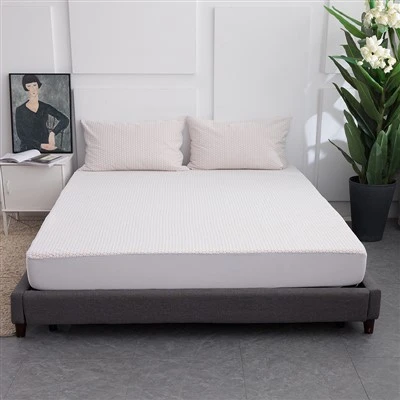
As a supplier who’s spent years working with these products, I can tell you that the best investment you can make is to choose the right blanket for your needs, not the cheapest one. A $20 residential blanket that lasts 5 years is a better deal than a $10 disposable blanket that needs to be replaced every 6 months. For businesses, investing in heavy-duty blankets that last a decade or more will save you money in the long run, because you won’t have to replace them every year.
Blanket If you’re in the market for waterproof blankets for personal or commercial use, whether you need a few for family camping trips or hundreds for a large event or construction project, we can help. We offer a range of blankets in different grades, sizes, and materials, and we can help you find the right one for your specific needs. Don’t hesitate to reach out to our team to discuss your requirements, get a quote, or ask any other questions about durability, maintenance, or anything else related to waterproof blankets. We’re here to help you make the right choice for your needs, so you can get the most life out of your investment.
References
- American Society for Testing and Materials. (2019). Standard Test Method for Water Resistance of Fabrics. ASTM D4725.
- Outdoor Industry Association. (2021). Durability of Outdoor Recreation Equipment: A Consumer Guide.
- National Association of Manufacturers. (2020). Industrial Textile Durability and Maintenance Guidelines.
- Waterproofing Coatings Manufacturers Association. (2018). Performance Standards for Polyurethane-Based Waterproof Coatings for Textiles.
Jiangsu Etang Household Products Co., Ltd.
We are one of the most professional waterproof blanket manufacturers and suppliers in China. With abundant experience, we warmly welcome you to buy bulk premium waterproof blanket made in China here from our factory. All customized products are with high quality and competitive price. Contact us for pricelist.
Address: No. 18 Nanhai Road, Siyang Economic Development Zone, Siyang County, Suqian City, Jiangsu Province
E-mail: etang216@js-et.com
WebSite: https://www.etangbedding.com/
