Hey there! I’m a guy running a packaging printing business, and I’m super stoked to share with you all about how to print on packaging with a satin finish. It’s a cool technique that can really make your product stand out on the shelves. Packaging Printing

First off, let’s talk about what a satin finish is. A satin finish gives your packaging a smooth, soft sheen. It’s not as shiny as a gloss finish, but it’s way more than a matte finish. It has this elegant look that just screams quality. And trust me, in the world of packaging, first impressions matter big time.
Choosing the Right Packaging Material
The first step in getting that perfect satin finish is picking the right packaging material. You can’t just use any old thing. There are a few options that work really well for satin printing.
Paperboard: It’s a popular choice. Paperboard is sturdy enough to hold up your product, and it takes the satin coating really well. You can get different thicknesses of paperboard depending on what you’re packaging. For small, lightweight items like jewelry or cosmetics, a thinner paperboard might be enough. But if you’re packaging something heavier, like a set of tools, you’ll want a thicker one.
Corrugated Cardboard: This is great for shipping boxes. It has that extra layer of protection, and the satin finish can make your shipping boxes look a lot classier. You don’t want your customers to receive a plain, boring box. A satin-finished corrugated box can turn that unboxing experience into something special.
Plastic Films: Some plastics can also achieve a nice satin finish. They’re often used for flexible packaging, like snack bags. The key here is to make sure the plastic is compatible with the printing inks and the satin coating process.
Preparing the Packaging for Printing
Once you’ve got your packaging material sorted, it’s time to prep it for printing. This step is crucial because if the surface isn’t right, the print won’t look good, and neither will the satin finish.
Cleaning: The packaging material needs to be clean. Any dirt, dust, or grease can mess up the printing process. We usually use a mild cleaning solution and a soft cloth to wipe down the surface. It’s a simple step, but it makes a huge difference.
Priming: In some cases, we’ll apply a primer to the packaging. A primer helps the ink and the satin coating adhere better to the surface. It’s like giving the print a better grip on the material. Different materials might need different types of primers, so we always do our research and pick the right one.
The Printing Process
Now, let’s get into the actual printing part. There are a few different methods we can use for printing on packaging with a satin finish.
Offset Printing: This is one of the most common methods. It uses a series of plates to transfer the ink onto the packaging material. Offset printing can produce high-quality prints with sharp details. The ink sits on top of the surface and then the satin coating is applied over it. It’s a tried-and-true method that works well for large print runs.
Digital Printing: Digital printing is great for smaller print runs or when you want to make quick changes to your design. It allows you to print directly onto the packaging material without the need for plates. The print quality is also really good these days, and it can handle the satin finish just fine. The advantage of digital printing is that you can get your packaging printed and shipped out faster.
Flexography: This method is often used for flexible packaging materials like plastic films. It uses a flexible printing plate to transfer the ink. Flexography is a fast printing process and can handle a wide range of inks. It’s also good at applying the satin coating evenly across the surface.
Applying the Satin Finish
After the printing is done, it’s time to apply that beautiful satin finish. There are a couple of ways to do this.
Coating: This is the most common method. We use a special satin coating that is applied over the printed area. The coating can be applied using a variety of techniques, such as spray coating, roller coating, or curtain coating. Each method has its own advantages and disadvantages. Spray coating allows for a more even application, but it can be a bit messy. Roller coating is more precise, but it might not work as well on irregular surfaces. Curtain coating is fast and can cover large areas quickly.
Lamination: Another option is to use a satin-laminated film. The film is applied to the printed packaging material using heat and pressure. Lamination not only gives the packaging a satin finish but also adds an extra layer of protection. It can make the packaging more durable and resistant to scratches and moisture.
Quality Control
Throughout the whole process, we do a lot of quality control checks. We don’t want to send out any packaging that doesn’t meet our high standards.
Visual Inspection: We look at the printed packaging under different lighting conditions to make sure the colors are right, the print is sharp, and the satin finish is even. Any small defects can be spotted this way, and we can fix them before the packaging goes out.
Adhesion Testing: We also test the adhesion of the ink and the satin finish. We want to make sure they stick to the packaging material properly. We use a simple tape test to check this. If the ink or the coating comes off when we pull the tape, then there’s a problem that needs to be fixed.
Benefits of Satin Finish Packaging
There are so many benefits to using satin finish packaging.
Aesthetic Appeal: As I mentioned before, a satin finish looks really elegant. It can make your product look more upscale and attractive to customers. In a crowded marketplace, having packaging that stands out can make a big difference in sales.
Durability: Satin finish can add an extra layer of protection to the packaging. Whether it’s a coating or a lamination, it can make the packaging more resistant to scratches, scuffs, and moisture. This means your product will be better protected during shipping and storage.
Branding: Your packaging is an important part of your brand. A satin finish can help you create a consistent and high-quality brand image. Customers are more likely to remember your brand if it has a distinct and attractive packaging.
Wrapping It Up
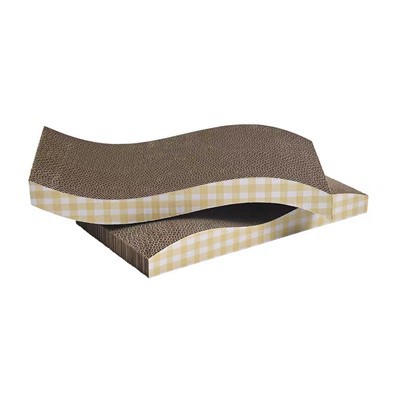
So, there you have it, a breakdown of how to print on packaging with a satin finish. From choosing the right material to applying the finish and doing quality control, it’s a process that requires a lot of attention to detail. But when it’s done right, the results are amazing.
Paper Products If you’re in the market for some top-notch packaging printing with a satin finish, I’d love to chat with you. We’ve got a team of experts who know their stuff and can help you create the perfect packaging for your product. Whether you’re a small startup or a big corporation, we’re here to make your packaging dreams a reality. So, don’t hesitate to reach out and let’s start a conversation about your packaging needs.
References
- Packaging Machinery Manufacturers Institute (PMMI) research on packaging materials
- Graphic Arts Technical Foundation (GATF) publications on printing processes
- Society of Plastics Engineers (SPE) resources on plastic packaging and finishes
Rugao City Printing Co., Ltd.
As one of the most experienced packaging printing manufacturers and suppliers in China, we also support customized service. Please feel free to wholesale bulk high quality packaging printing for sale here from our factory. For quotation, contact us now.
Address: No. 259, Liyu Road, Rugao City, Jiangsu Province
E-mail: rgsycxp@163.com
WebSite: https://www.rugaoprinting.com/
